
Home & Overview
Discover the world's largest mangrove forest
Introduction
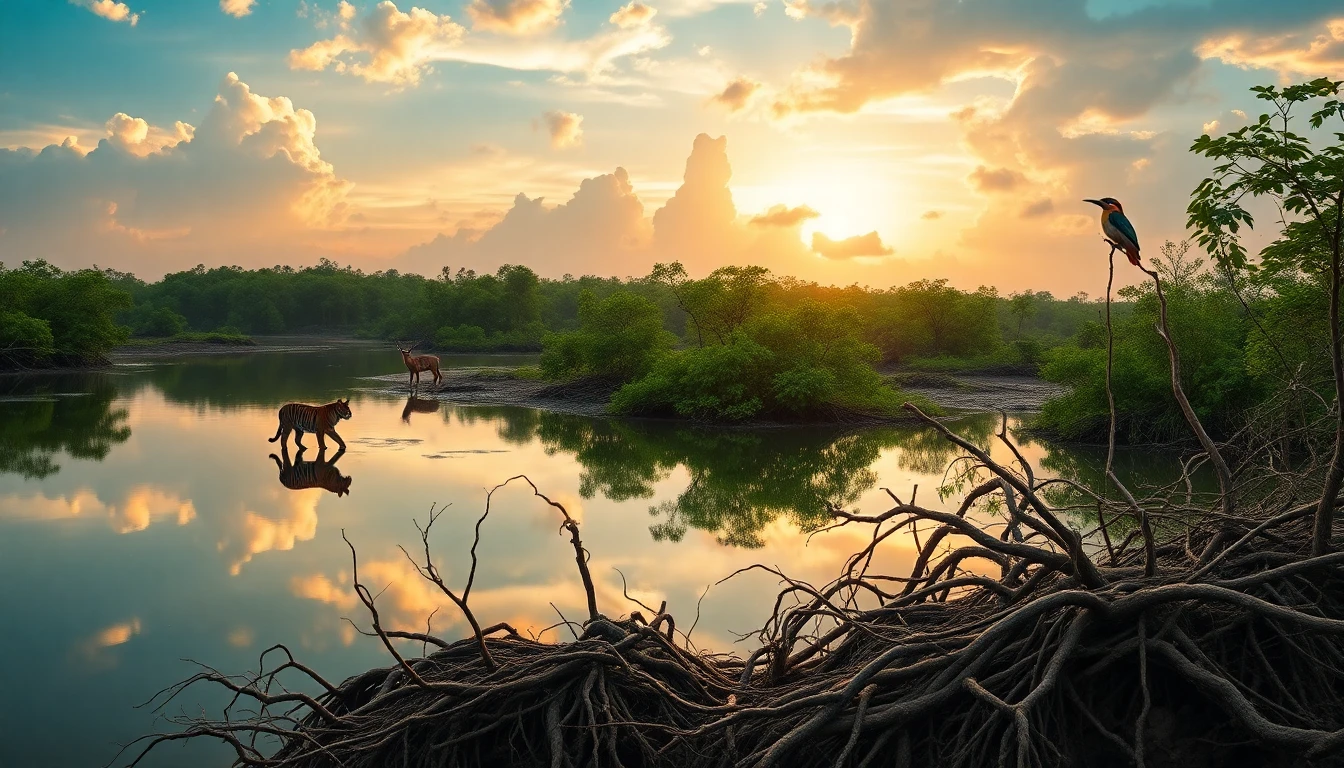
The Sundarbans, meaning "beautiful forest," is the world's largest mangrove forest spanning Bangladesh and India. This UNESCO World Heritage Site covers approximately 10,000 sq km and is home to the iconic Royal Bengal Tiger.
Established as a reserve forest in 1875-76, the Sundarbans plays a crucial role in protecting coastal areas from cyclones and tidal surges while supporting unique biodiversity.
Geography & Climate
The Sundarbans is located in the delta region of the Ganges, Brahmaputra, and Meghna rivers. It spans the southern districts of Khulna, Satkhira, and Bagerhat.
- Monsoon: June-September (High Humidity)
- Winter: November-February (Tourism Peak)
- Summer: March-May (Cyclone Prone)
- Tides: 3-5m Amplitude
Administrative Divisions
Ranges (4)
Khulna, Satkhira, Chandpai, Sarankhola
Beats (16)
Forest management units
Compartments (55)
Monitoring zones
Biodiversity & Ecology
Explore the rich tapestry of life
Mangrove Flora
 Endangered
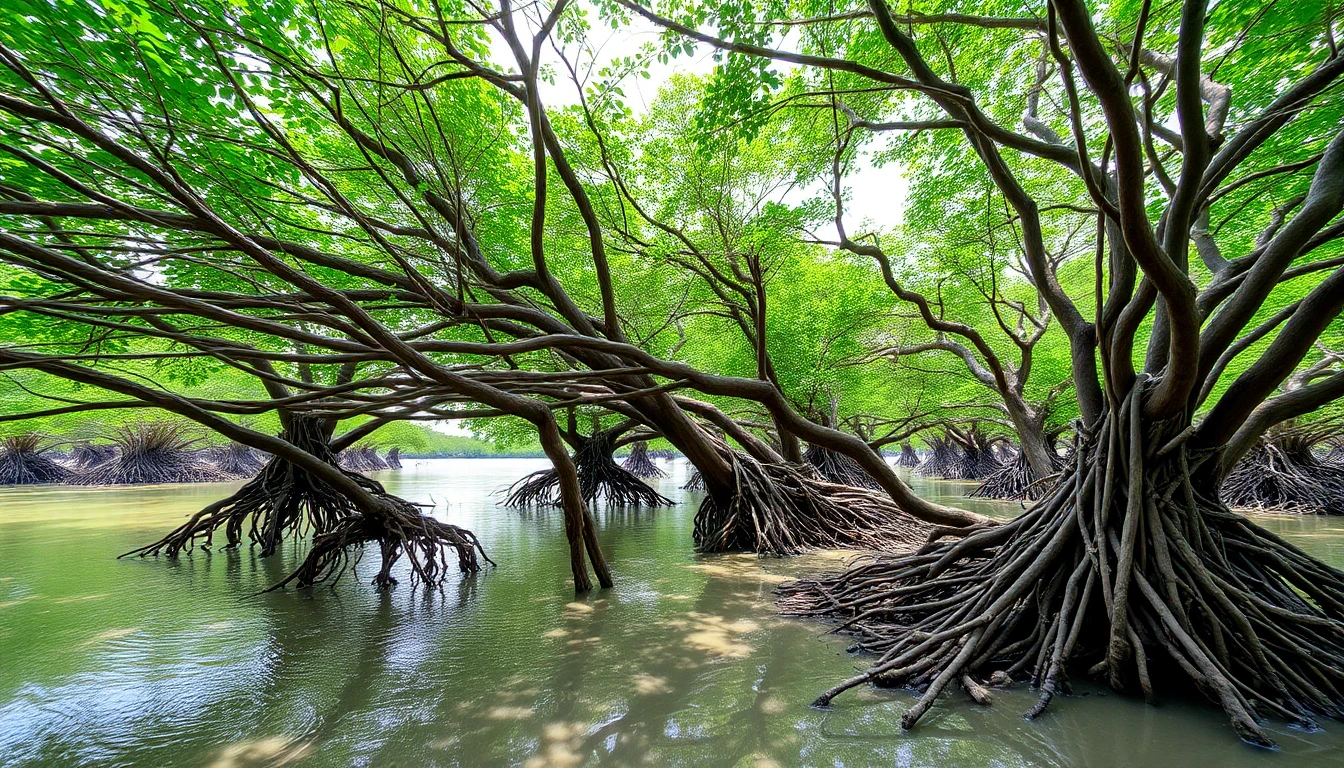
Sundari
Heritiera fomes
The namesake tree of Sundarbans, valued for timber.
 Common
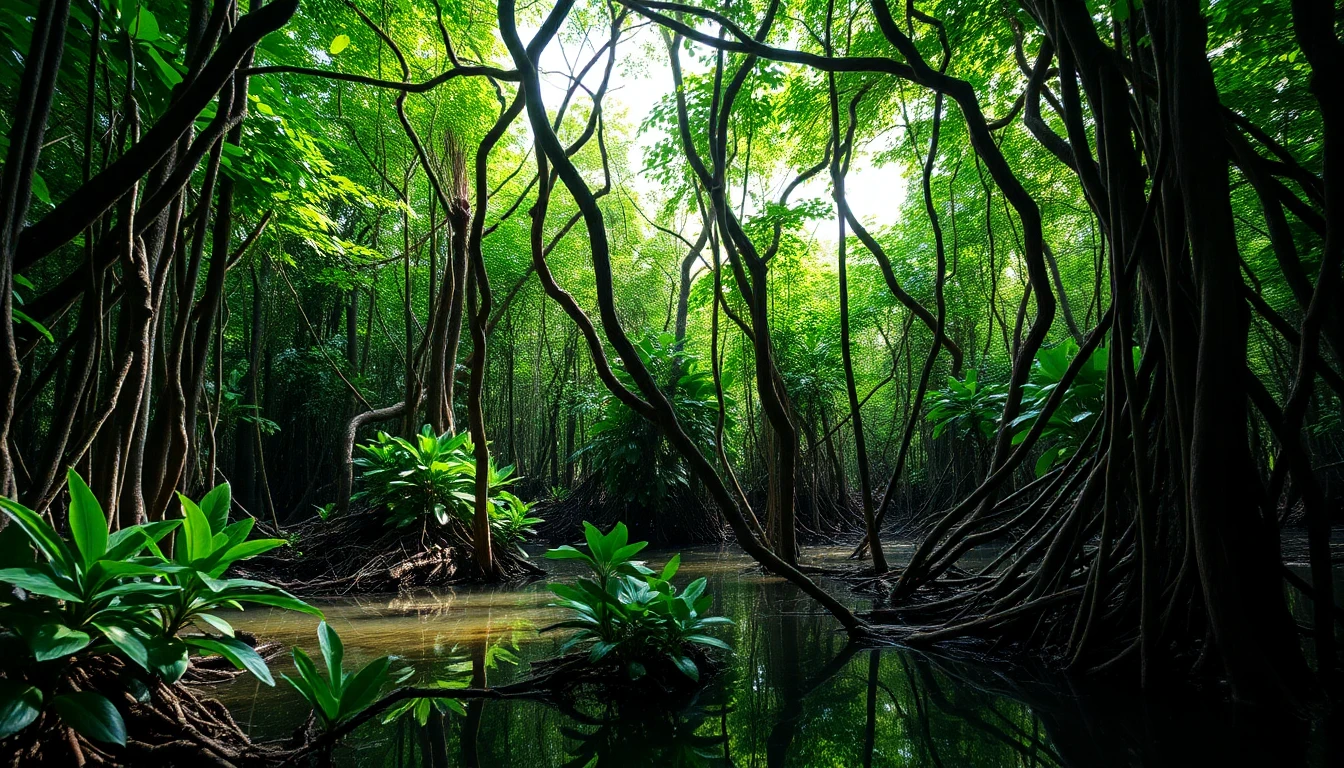
Gewa
Excoecaria agallocha
Important for pulp and paper industry.
 Pioneer
Keora
Sonneratia apetala
Pioneer species in tidal mudflats.
🌿
Floral Diversity Database
334 plant species recorded, including 84 true mangrove species. Database includes medicinal properties and distribution maps.
Wildlife Diversity
🐅 Mammals
- Royal Bengal Tiger (approx. 114 individuals)
- Spotted Deer (Chital)
- Wild Boar
- Rhesus Macaque
- Ganges River Dolphin
🦅 Birds (Avifauna)
- Over 315 bird species
- White-bellied Sea Eagle
- Kingfishers (9 species)
- Lesser Adjutant Stork
- Oriental Darter
🐊 Aquatic Life
- Estuarine Crocodile
- Irrawaddy Dolphin
- Over 210 fish species
- Mudskippers and Horseshoe Crabs
- River Terrapin
Ecological Zonation
🛡️ Wildlife Sanctuaries
3 sanctuaries covering 1,397 sq km:
- Sundarbans East Wildlife Sanctuary
- Sundarbans South Wildlife Sanctuary
- Sundarbans West Wildlife Sanctuary
Strictly protected, limited access
🌳 Buffer Zones
Multiple-use areas surrounding sanctuaries for sustainable resource extraction and tourism activities under strict regulation.
Controlled access with permits
Species Catalog
From the tiniest plankton to majestic mammals

Sponges

Cnidarians

Worms

Molluscs
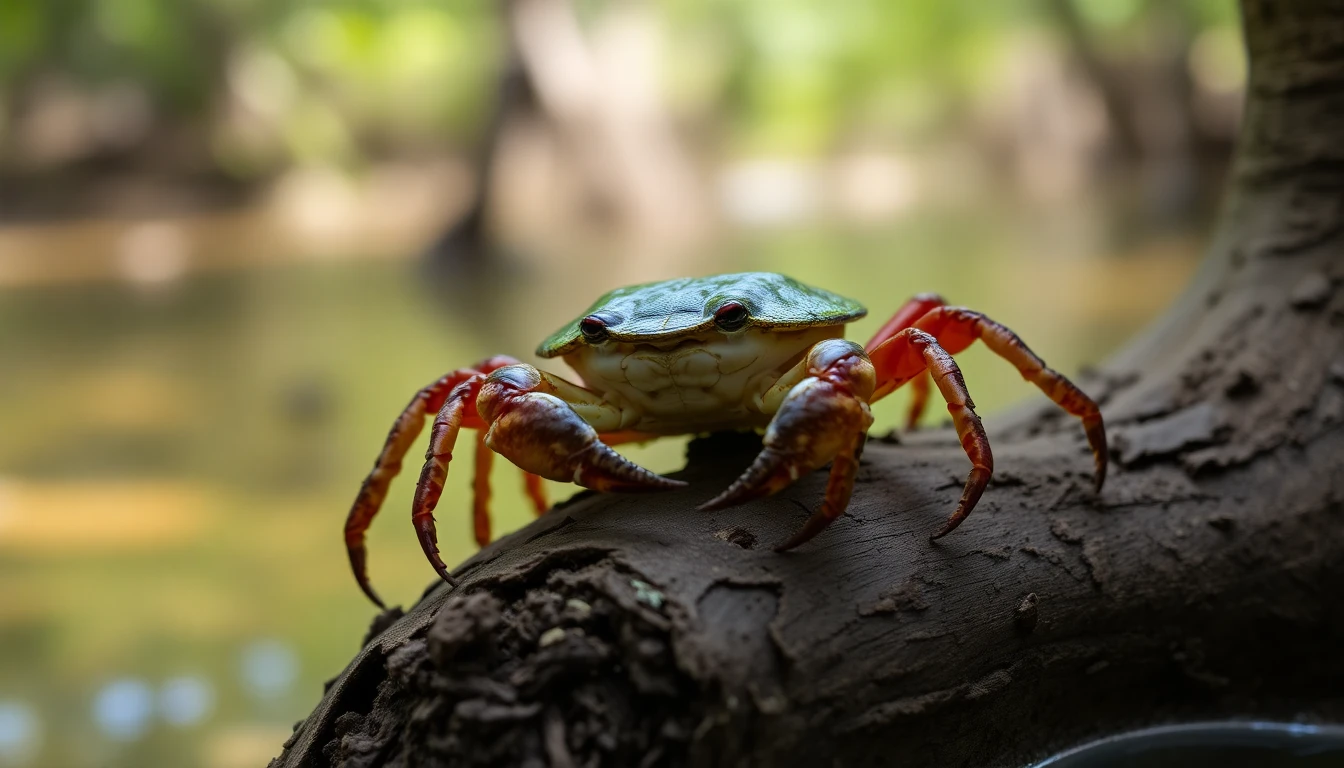
Arthropods

Fishes
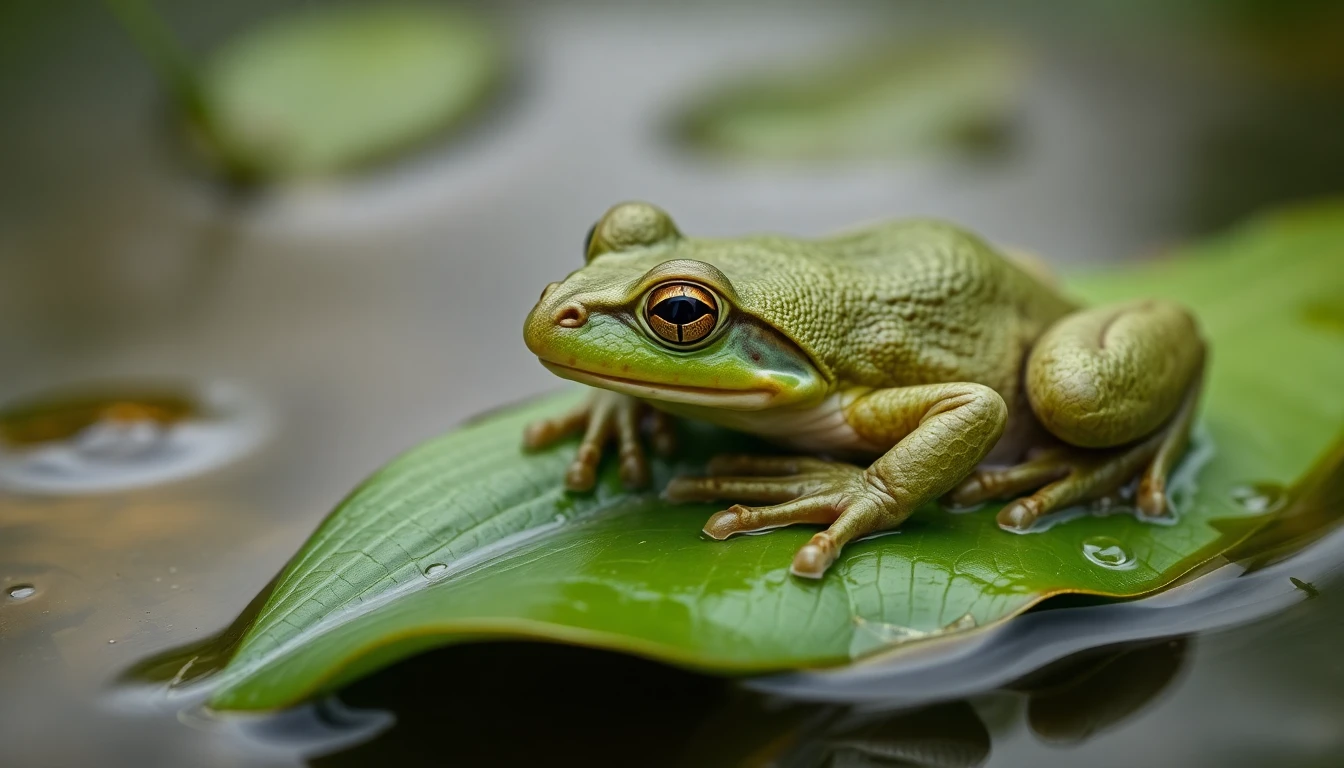
Amphibians

Reptiles
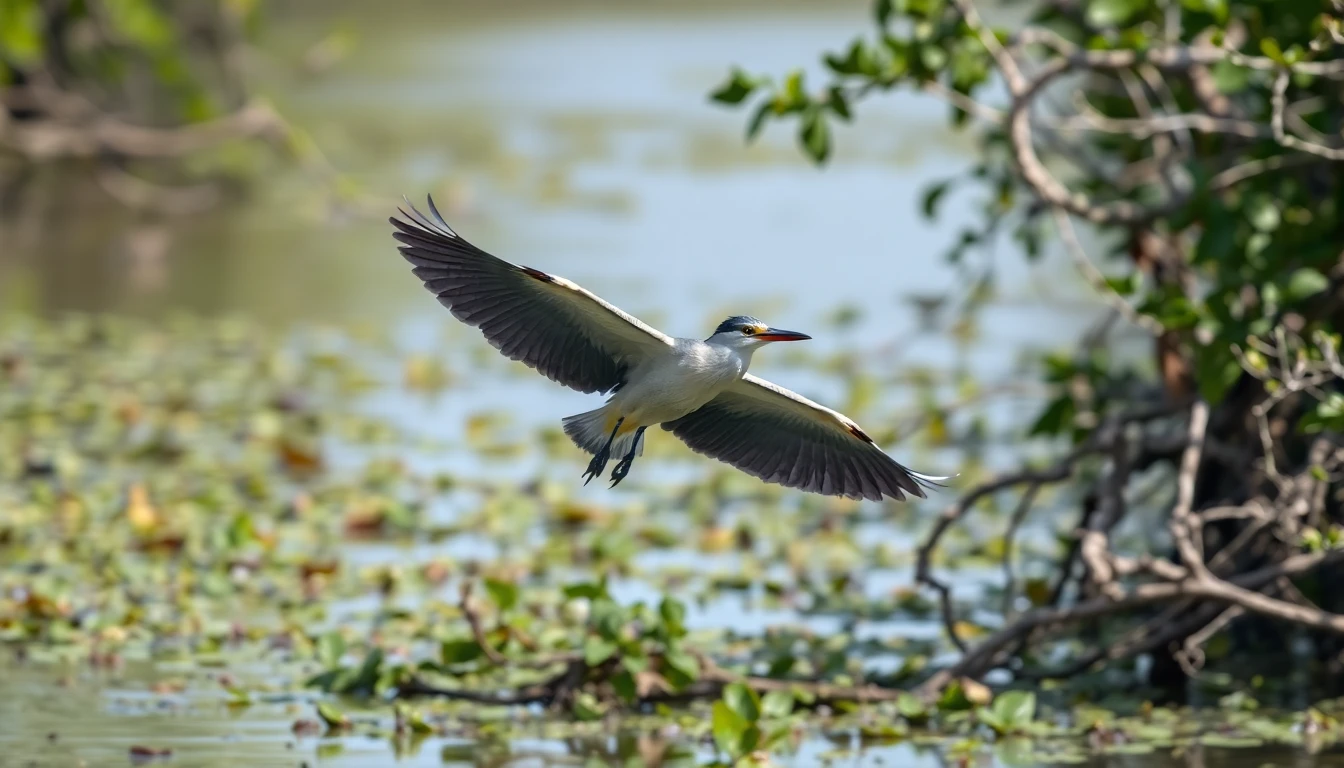
Birds

Mammals
Weeds
Trees
Habitat Diversity
Dynamic landscapes shaped by tides and rivers
Research & Literature
Academic resources and scientific knowledge
Scientific Journals
-
Wetlands Ecology and Management
Peer-reviewed articles on Sundarbans ecosystem dynamics
-
Journal of Mangrove Science
Species-specific studies and conservation research
-
Bangladesh Journal of Botany
Flora diversity and vegetation mapping studies
Books & Field Guides
-
"The Sundarbans of Bangladesh"
M.S. Islam • Comprehensive ecology guide
-
"Mangrove Ecology of Bangladesh"
Detailed analysis of flora, fauna, ecosystems
-
Field Guide to Birds
Illustrated guide to 315+ bird species
Project Reports
-
UNESCO World Heritage Reports
Annual monitoring & status updates
-
Forest Dept. Annual Reports
Tiger census, biodiversity surveys
-
World Bank Environmental Studies
Climate change impact assessments
Tourism & Visitor Information
Plan your adventure to the Sundarbans
Popular Tourist Spots
Kotka
Dense forest area ideal for wildlife spotting, with observation towers and beach access.
🦌 Wildlife
🏖️ Beach
🗼 Tower
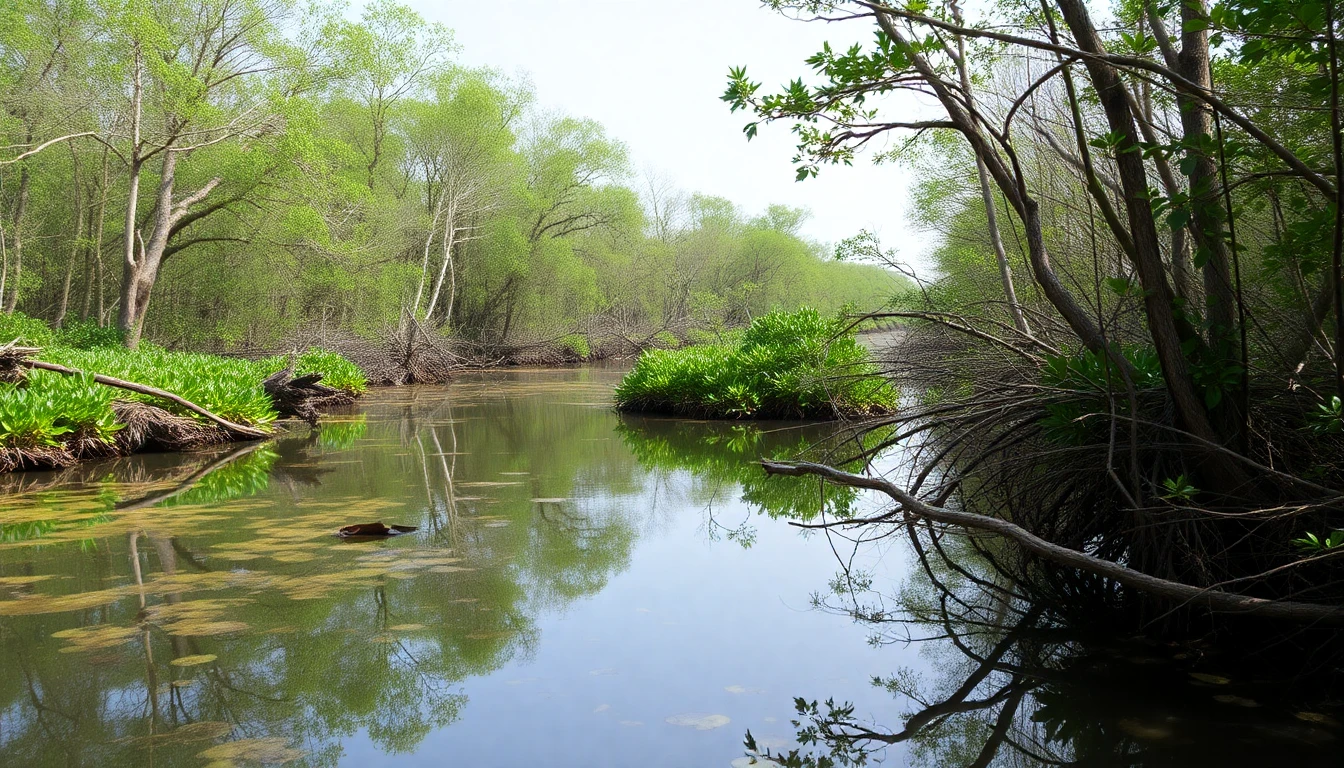
Hiron Point (Nilkamal)
Best location for tiger sightings, featuring watchtowers and scenic creek views.
🐅 Tigers
🦅 Birds
📷 Photo Ops

Karamjal
Wildlife breeding center with crocodile sanctuary and spotted deer enclosure.
🐊 Crocodiles
🦌 Deer Park
👨👩👧 Family

Dublar Char
Island famous for Rash Mela festival and fishing traditions.
🎉 Festival
🎣 Fishing
🏝️ Island
Rules & Regulations
Permits Required
- Entry permits from Forest Department
- Registered tour operators only
- Advance booking recommended
Code of Conduct
- No littering or plastic waste
- Maintain safe distance from wildlife
- No loud noises or disturbances
- Follow guide instructions strictly
Entry Fees
- Bangladeshi: 500-1000 BDT
- Foreign: 2000-3000 BDT
- Camera fees apply separately
Photo Gallery
Governance & Management
Protecting the forest for future generations
Forest Laws & Acts
Wildlife (Conservation & Security) Act 2012
Primary legislation for wildlife protection and habitat conservation in Bangladesh.
Forest Act 1927
Governs forest management, resource extraction, and administrative procedures.
Bangladesh Wildlife (Preservation) Order 1973
Establishes protected areas and species conservation measures.
Administrative Structure
Divisional Forest Officer (DFO)
Overall management and policy implementation
↓
Range Officers (4)
Regional supervision and coordination
↓
Beat Officers (16)
Ground-level management and patrol
Contact: Bangladesh Forest Department, Khulna Division
Email: dfo.sundarbans@forestdept.gov.bd
Conservation Projects
Tiger Conservation Project
Monitoring, anti-poaching, and habitat restoration initiatives
ActiveMangrove Afforestation Program
Coastal plantation to combat erosion and climate change
ActiveCommunity-Based Conservation
Engaging local communities in sustainable resource management
ActiveMedia & News
Latest updates and documentaries
📰 Recent News
2024
Tiger Census Results
Latest survey estimates 114 Royal Bengal Tigers in Bangladesh Sundarbans, showing stable population.
2024
UNESCO Monitoring Mission
World Heritage Committee commends Bangladesh's conservation efforts and management practices.
2023
Climate Adaptation Initiative
New project launched to strengthen mangrove resilience against sea-level rise and cyclones.
🎬 Documentaries
"The Sundarbans: Where Land Meets Sea"
BBC Earth documentary exploring the unique ecosystem and wildlife
"Tigers of the Mangroves"
National Geographic special on Royal Bengal Tiger conservation
"Sundarbans: The Last Frontier"
Local production highlighting community conservation efforts